September 7, 2026 Post by : Editorial Seasonal Journaling
Journaling the Seasons: A Year-Long Practice That Changes How You See
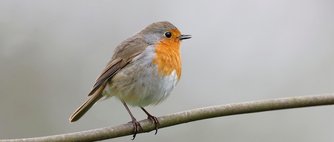
Every spring, someone somewhere announces the first robin of the year. Every fall, someone else notes the first frost. These small announcements are phenology — the study of seasonal timing in plants and animals — and they are one of the oldest and most satisfying practices in natural history.
Phenology is not complicated. It is simply paying attention to when things happen. When did the first crocus bloom in your yard? When did the swallows return? When did the maple leaves turn? When did the last cricket go quiet? Write these down year after year, and you build a personal record of how your local landscape moves through the seasons.
This is not just a hobby. Phenology records kept by amateurs have contributed real data to scientists studying how climate and habitat are changing. But even if you never share a single note, the practice is worth keeping for what it does to your attention.
Building Your Calendar
You do not need a special notebook or an app, though both exist. A simple paper calendar works beautifully. Mark a few recurring events you care about: first bloom of a particular flower, first frog call of the year, first frost, first hummingbird at the feeder, first falling leaf. Add more as you notice them.
The trick is consistency. Choose a small number of events — five or six to start — and commit to watching for them. Check your yard or a nearby green space regularly, even for five minutes a day. The moment you see or hear the event, mark the date.
Over a single year, your calendar will start to feel like a story. Over several years, it becomes something more: a record of variability. You will see that the first frost comes earlier some years and later in others. You will see that the chorus frogs start calling in different weeks depending on the weather. These patterns are the heartbeat of your local ecosystem.
If you want to go deeper, add a column for weather notes. Was the spring wet or dry? Was the winter unusually mild? These small details help explain why the timing shifted.
What Phenology Teaches
The most valuable lesson phenology offers is interdependence. You cannot track the first hummingbird without also noticing what is blooming, because the two are linked. You cannot track the first frost without noticing the leaves, the insects, and the birds that respond to it. Phenology pulls you into the web of relationships that make a place alive.
It also teaches patience. Some events happen in a single day, and if you are not watching, you miss them for the year. That awareness — that this particular moment will not come again until next spring — is one of the great gifts of nature journaling.
Start small. Pick one event this week. Watch for it. Write it down. Next year, you will have something to compare, and a habit that will keep giving back for as long as you keep looking.

Author
22 feb,2025
This incident opened my eyes to the value of Insurance in general, so I decided to examine my personal and business insurance.
Comment (3)
The payments are made directly from one person to another without passing through a central bank or clearing house.
22 feb,2025
ReplyJournaling the Seasons: A Year-Long Practice That Changes How You See
23 feb,2025
ReplyTracks, Scat, and Other Clues: Reading a Trail Without Seeing the Animal
23 feb,2025
Reply