September 28, 2026 Post by : Editorial Seasonal Journaling
The Sit Spot Habit: Why Staying in One Place Beats Hiking Far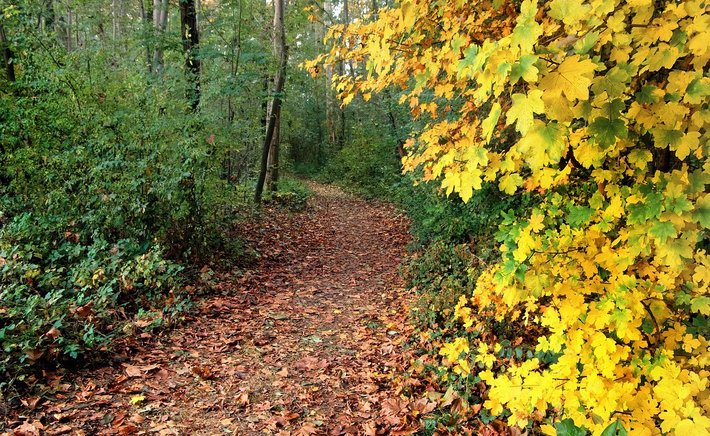
Nature journaling has a dirty secret: the first year is mostly confusion. You notice things, write them down, and have no idea whether what you saw is early, late, unusual, or perfectly ordinary. That's not a failure. That's the raw material. The magic happens in the second year, when you can compare.
This is why I keep coming back to the same handful of places, month after month. A seasonal practice turns scattered observations into a pattern, and the pattern is where the real understanding lives.
Choosing a Place Worth Returning To
You don't need a wilderness area. A pond edge, a hedgerow along a walking path, a patch of oak woods, even a weedy lot will do — as long as you can visit it regularly and it has some variety of life. Ideally, pick a spot that offers more than one habitat: water and woods, field and fence line. Edges between habitats are where you'll see the most activity.
Visit at least twice a month, and vary your timing. Morning and evening show completely different casts of characters. So do warm days and cold snaps. If you can only manage once a month, that's still twelve data points a year, which is far more than most people ever collect about any single place.
Record the basics every visit: date, time, weather, temperature, and what's blooming, calling, or moving. Then add whatever caught your eye. Over a year, you'll accumulate a portrait of a place that no field guide can give you, because it's specific to your spot.
What a Year of Entries Actually Teaches You
The first thing you'll notice is phenology — the timing of natural events. When does the first frog call happen? When do the maples turn? When do the swallows arrive and leave? These dates shift year to year, and your journal is the only way to see your local version of that rhythm.
The second thing is succession. A log you sketched in March is a different object by August. A patch of bare ground becomes a thicket of weeds, then a tangle of seed heads. Watching decay and growth in the same spot is oddly grounding — it's ecology happening in slow motion, and you have a front-row seat.
The third thing, and the one that surprised me most, is how much your own attention changes. By the second spring, you'll notice the first willow catkins without trying. You'll hear the spring peepers as a specific event rather than background noise. The place stops being scenery and becomes a story you're following. That's the quiet payoff of seasonal journaling: you don't just learn about nature. You learn to be someone who notices it, and that's a change that sticks.
Author

22 feb,2025
This incident opened my eyes to the value of Insurance in general, so I decided to examine my personal and business insurance.

Comment (3)
The payments are made directly from one person to another without passing through a central bank or clearing house.
22 feb,2025
ReplyReading Bird Behavior: What the Birds in Your Yard Are Actually Telling You
23 feb,2025
ReplyJournaling the Seasons: A Year-Long Practice That Changes How You See
23 feb,2025
Reply