September 19, 2026 Post by : Editorial Observation Practices
The Art of the Slow Walk: Covering Less Ground, Seeing More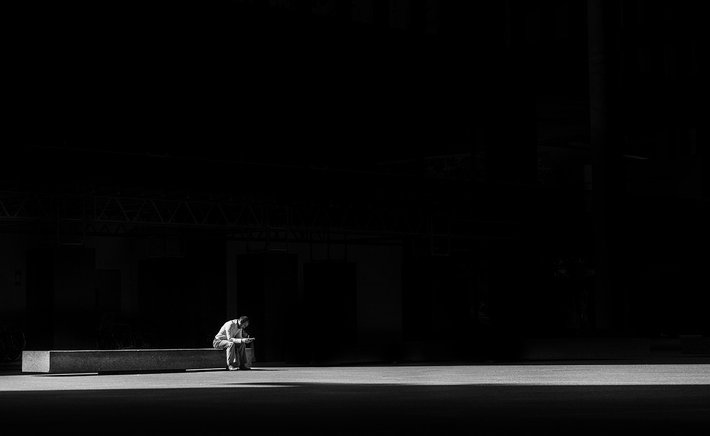
Most of us begin our time outdoors the same way: we walk. We cover ground, chase vistas, and tally miles like proof that we were really there. But there is another way to meet a landscape, and for the amateur naturalist it may be the more rewarding one. It is called the sit spot, and it asks almost nothing of you except patience and a willingness to be bored for a little while.
The idea is simple. Choose one place outdoors — a backyard corner, a bench at the edge of a pond, a fallen log along a familiar trail — and return to it regularly. Sit still. Watch. Listen. Write down what you notice. That is the entire practice. The magic is not in the location. It is in the repetition.
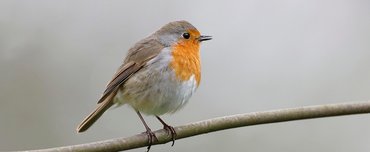
When you visit the same spot again and again, you stop being a tourist and start being a neighbor. You learn which tree the squirrel favors, where the robins bathe after rain, how the light moves across the clearing in October versus March. These are not dramatic discoveries, but they are the kind of intimate knowledge that field naturalists have always relied on — the slow accumulation of ordinary observations that, over time, reveal extraordinary patterns.
What to Bring and What to Do
You need less than you think. A notebook, a pencil, and perhaps a small pair of binoculars. A watch or phone to note the time. That's it. No fancy gear, no app required.
When you arrive, sit down and stay put for at least twenty minutes. The first five will feel awkward. Your mind will itch for stimulation. Around minute ten, something shifts. Birds that went quiet when you arrived begin to move again. A chipmunk pokes its head from a burrow. The world resumes, and you become part of it rather than an interruption.
Write down whatever catches your attention, even if it seems trivial. The temperature. The wind direction. The first sound you heard. A leaf that fell. Over weeks, your notes will start to connect. You will notice that the chickadees always appear before the jays, or that the bees only visit one particular patch of flowers in the morning. These small threads are the fabric of real natural history.
Why It Changes How You See
There is a particular kind of attention that only comes from stillness. When you hike, your eyes are tuned to the horizon, scanning for the next thing. When you sit, your attention softens. You begin to notice the small dramas unfolding at your feet — a spider repairing a web, a beetle navigating a stem, ants hauling something enormous toward a hole.
Journal keepers who commit to a sit spot often report that the practice bleeds into the rest of their lives. They start noticing birdsong on their commute. They pause to watch clouds. The outdoors stops being a destination and becomes a continuous conversation.
Start this week. Pick a spot close enough that you'll actually go. Ten minutes is enough. The wild is not somewhere far away. It is already happening, quietly, wherever you are willing to sit still and pay attention.
Author
22 feb,2025
This incident opened my eyes to the value of Insurance in general, so I decided to examine my personal and business insurance.



Comment (3)
The payments are made directly from one person to another without passing through a central bank or clearing house.
22 feb,2025
ReplyYour First Phenology Calendar: Tracking Nature's Timing
23 feb,2025
ReplyHow to Start a Nature Journal When You've Never Drawn a Day in Your Life
23 feb,2025
Reply