October 4, 2026 Post by : Editorial Getting Started
Tracks, Scat, and Other Clues: Reading a Trail Without Seeing the Animal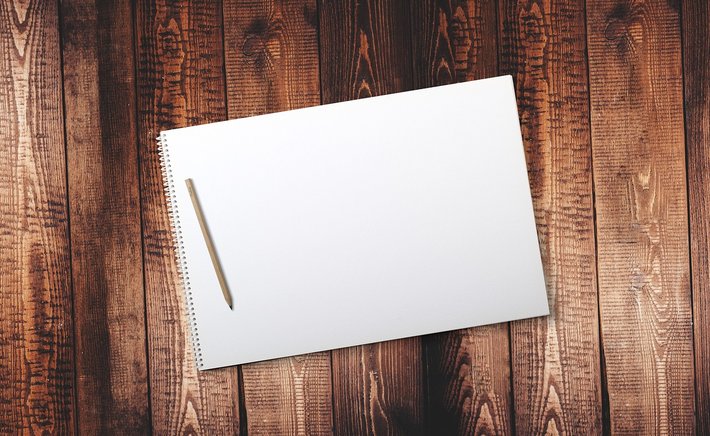
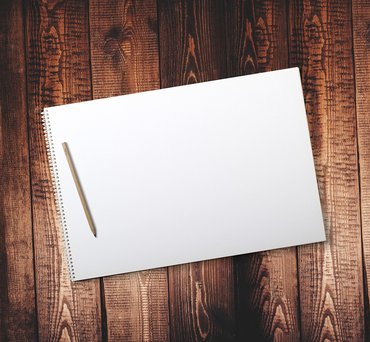
The blank page is the hardest part. I know this because my first nature journal sat untouched for three weeks after I bought it, mostly because I was convinced I couldn't draw. I'd flip through illustrated field journals online and feel my confidence shrivel. Those people could render a wren in watercolor. I could barely draw a convincing stick.
Then a friend who teaches outdoor education told me something that changed everything: a nature journal isn't an art project. It's a record of attention. Nobody is grading your oak leaf. The point is that you looked at the oak leaf long enough to notice its lobes are rounded, not pointed, and that the veins fork in a pattern you'd never seen before.
So if you've been circling the idea of journaling without landing, here's how to start without the intimidation.
Lower the Bar Until It's on the Ground
Start with what naturalists call a "sit spot" — one place you return to regularly, even if it's a strip of weeds behind your apartment. Sit for fifteen minutes. Write the date, the weather, the temperature if you know it. Then write three things you can see, two you can hear, and one you can smell. That's a journal entry. Congratulations, you're a nature journaler.
From there, add sketches, but treat them as notes rather than portraits. A rough outline of a leaf with the veins marked and an arrow pointing to "fuzzy underside" is worth more than a pretty drawing with no information. Some of the most useful pages in my own journal are barely legible scribbles annotated with questions I still haven't answered.
Useful prompts when you're stuck: What is this thing doing? What changed since last time? What does it remind me of? What question do I have? That last one is secretly the most important, because questions keep you coming back.
Tools That Actually Matter (and What Doesn't)
You need less than you think. A pencil beats a pen because you can shade and erase. A small notebook you'll actually carry beats a beautiful hardbound one that stays on your desk. That's genuinely it to begin with.
As you go, you might add a few cheap colored pencils for noting flower color before it fades, a small ruler for scale, and a hand lens — a ten-dollar jeweler's loupe will open up an entire world of insect legs and petal hairs you didn't know existed. What you don't need is a fancy watercolor set you're afraid to ruin, or a camera you hide behind. The journal is the point, not the gear.
One more thing: date every entry. It feels fussy until the first time you flip back and realize the serviceberry bloomed two weeks earlier this year, or that the same spider rebuilt her web in the same corner of the fence for a month. That's when the journal stops being a chore and becomes a conversation with a place. And that conversation is available to anyone with a pencil, whether or not they can draw a wren.
Author

22 feb,2025
This incident opened my eyes to the value of Insurance in general, so I decided to examine my personal and business insurance.

Comment (3)
The payments are made directly from one person to another without passing through a central bank or clearing house.
22 feb,2025
ReplyHow to Start a Nature Journal When You've Never Drawn a Day in Your Life
23 feb,2025
ReplyReading Bird Behavior: What the Birds in Your Yard Are Actually Telling You
23 feb,2025
Reply