September 10, 2026 Post by : Editorial Field Skills
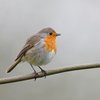
Reading Bird Behavior: What the Birds in Your Yard Are Actually Telling You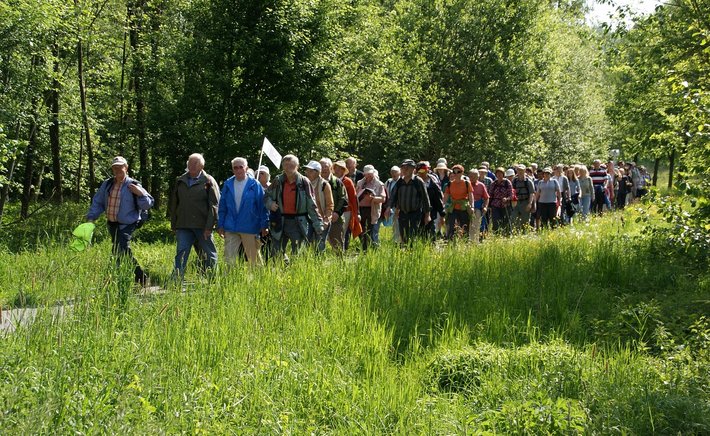
There is a particular kind of walk that most of us default to outdoors: shoulders forward, eyes on the path, destination in mind. It is efficient, and it is almost useless for nature observation. The animals you most want to see hear you coming from a hundred yards away and are gone before you arrive. The plants you most want to notice blur past at knee height. Speed hides the wild.
The slow walk is the antidote. It is not a hike in the usual sense. It is a deliberate practice of moving at the pace of the landscape, pausing often, and letting your attention settle on whatever is in front of you rather than what is around the next bend.
A good slow walk might cover a quarter mile in an hour. That sounds absurd until you try it. Once you do, you will realize how much there is to see in a stretch of trail you have walked a hundred times.
How to Walk Slowly Without Feeling Silly
The first few minutes are the hardest. Your body wants to move. Your mind wants to plan. Give it something to do. Pick a small assignment for the walk: count every bird you hear, find five different leaf shapes, or look for evidence of something that happened recently — a feather, a broken twig, a fresh track.
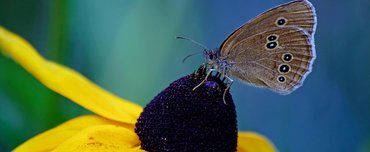
Walk a few steps, then stop. Stand still for a full minute. Let your eyes relax and take in the whole scene rather than scanning for a target. Movement will reveal itself. A bird that was invisible a moment ago will flick its tail. A butterfly will lift off a leaf. A squirrel will freeze mid-step, convinced it has not been seen.
When you spot something, do not rush toward it. Watch from where you are. Many animals will tolerate a still observer at a distance far better than an approaching one. If you must move closer, do so slowly and indirectly, and stop the moment the animal tenses.
Bring a notebook and jot down what you see, even briefly. Writing forces you to look more carefully, and it creates a record you can return to.
What You Start to Notice
Slow walking changes what counts as an event. A beetle crossing the trail becomes worth watching. A patch of moss becomes a tiny forest. The way light filters through a canopy becomes its own subject. You start to see the small dramas that make up most of what happens outdoors — dramas that a fast walker passes without ever knowing they existed.
It also changes your relationship with the place. The same trail walked slowly a dozen times becomes a place you know, not just a route you use. You will notice when a tree falls, when a new bird arrives for the season, when the first wildflowers open. These are the rewards of attention.
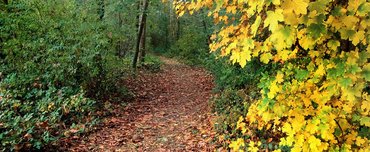
Try one slow walk this week. Pick a short stretch of trail or even a city park path. Leave the destination at home. Bring a notebook, wear quiet shoes, and see what happens when you stop trying to get anywhere.


Author
22 feb,2025
This incident opened my eyes to the value of Insurance in general, so I decided to examine my personal and business insurance.

Comment (3)
The payments are made directly from one person to another without passing through a central bank or clearing house.
22 feb,2025
ReplyListening to a Place: An Introduction to Sound Mapping
23 feb,2025
ReplyThe Art of the Slow Walk: Covering Less Ground, Seeing More
23 feb,2025
Reply