October 1, 2026 Post by : Editorial Wildlife Observation
Sketching Insects Up Close: A Beginner's Guide to the Smallest Wildlife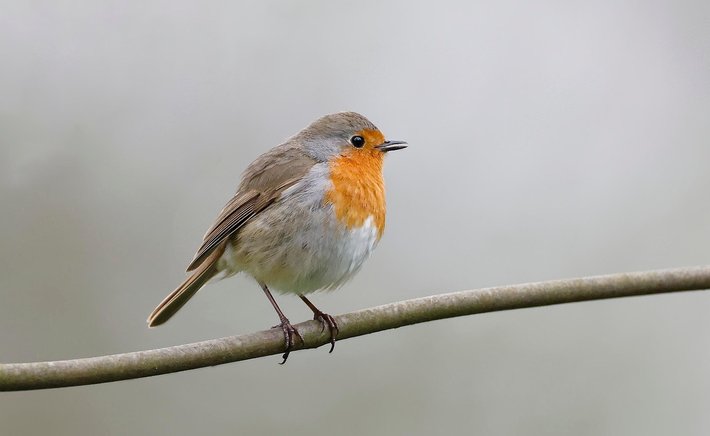
Most of us start birding the same way: we want to know the name. What is that stripey thing on the feeder? Once you can name a dozen birds, though, a strange thing happens — identification gets easy, and you start noticing that the birds are doing things. A robin isn't just a robin. It's a robin doing something specific, and that something usually means something.
Learning to read behavior is where backyard birding turns into genuine wildlife observation. You don't need binoculars for most of it. You need patience and a willingness to watch one bird for five minutes instead of scanning the whole yard.
The Basic Vocabulary of Bird Body Language
Start with posture. A bird that's relaxed sits loosely, feathers smooth, occasionally preening or looking around. A bird that's alert goes upright and still, head cocked. A bird that's alarmed may freeze entirely, then flick its tail or give a sharp chip note. If you learn only one thing, learn the alarm call — it's the thread that ties the whole yard together. When one bird alarms, everyone listens.
Watch feeding stations and you'll see a pecking order that changes by season. In winter, a small flock of chickadees and titmice moves through in a loose group, and the boldest bird feeds first. In spring, the same feeder becomes a stage for disputes as territories harden. A cardinal chasing another cardinal off the sunflower seeds isn't being mean — it's defending a boundary that matters for nesting.
Then there's the behavior that's easy to misread: birds fluffing up. On a cold morning, a puffed-up bird is just wearing its feathers like a parka, trapping air for insulation. But a bird that fluffs and droops its wings while sitting low might be sick or exhausted. Context matters, which is exactly why journaling helps — you build a baseline of what's normal for your yard.
From Watching to Understanding
Once you can read posture and sound, start watching for the bigger patterns. Where does each species spend its time — high in the canopy, mid-shrub, on the ground? That's its foraging niche, and it explains why five species can share one yard without competing directly. Note what each one eats and how it gets it: gleaning from bark, hawking insects in midair, scratching in leaf litter.
Spring brings the most rewarding behavior to observe: courtship and nesting. Watch for carrying nest material, food begging by fledglings, and the distraction displays some birds use near a nest. Keep your distance, especially near nests — observation should never cost the animal anything.
Write down what you see with the time and weather. Over a season, you'll build something most people never have: a real, personal record of how the birds around you live. The names are just the beginning. The behavior is the story.

Author
22 feb,2025
This incident opened my eyes to the value of Insurance in general, so I decided to examine my personal and business insurance.

Comment (3)
The payments are made directly from one person to another without passing through a central bank or clearing house.
22 feb,2025
ReplyHow to Start a Nature Journal When You've Never Drawn a Day in Your Life
23 feb,2025
ReplyReading Bird Behavior: What the Birds in Your Yard Are Actually Telling You
23 feb,2025
Reply